Transfer chutes, silos, and hoppers suffer extreme abrasive wear from continuous flow of bulk materials (ore, clinker, coal, grains). The solution is lining these surfaces with CT CEDUR alumina ceramic tiles (9 Mohs). This reduces friction, prevents structural metal erosion, and eliminates repetitive downtime for welding patches.
Sliding Abrasion vs. Direct Impact
Different areas of a silo demand specific lining types. For pure sliding wear, thin ceramic tiles bonded with high-strength epoxy resin offer a cost-effective solution. However, in heavy drop zones where rocks or ore impact directly, pure ceramics may crack under stress.
To solve high impact zones, we engineer **rubber-backed ceramic wear plates** (vulcanized tiles). The rubber matrix absorbs mechanical impact shock, protecting the high-hardness alumina tiles from cracking. Learn more in our alumina ceramics guide.
Key Benefits of Alumina in Silos & Chutes
- No more patch welding: Steel plates wear out and open holes continuously; ceramics protect the steel substrate permanently.
- Improved material flow: The extremely low friction of polished technical ceramics prevents damp bulk build-ups and blocking.
- Agribusiness application: Alumina is chemically inert and non-toxic, making it ideal for rapid grain-loading chutes (corn and soy) without product contamination.
Types of Chute and Silo Linings
CETARCH manufactures custom ceramic liners in several configurations:
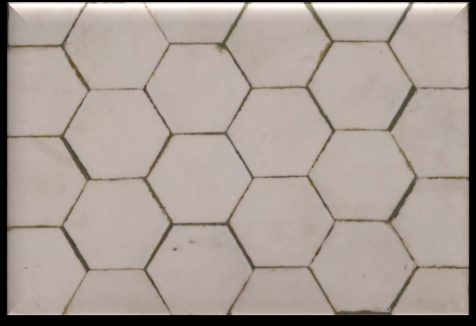
- Hexagonal Tiles: Flexible sheets perfect for curved chutes, pipes, and elbows.
- Weld-on/Bolt-on Liners: Engineered for severe vibration or high-tonnage bulk flows.
- Ceramic-Rubber Plates: Hybrid pads for high abrasion and simultaneous impact.